

Stress is an inevitable part of modern life—whether it stems from demanding work schedules, personal responsibilities, or the constant buzz of digital noise. But here’s the truth: stress doesn’t have to be your enemy. In fact, when managed effectively, it can become a powerful force for personal growth, resilience, and clarity.
As a psychiatrist and mental wellness coach with years of experience guiding individuals through life’s most challenging moments, I’ve discovered that the key lies not in avoiding stress, but in transforming it. By using mindful, science-backed strategies, you can shift from feeling overwhelmed to feeling empowered.
Below are the most effective techniques I’ve seen deliver lasting results—rooted in neuroscience, real-life application, and simple daily practice. Whether you’re navigating burnout, anxiety, or just need to recenter, these insights can help you reclaim your mental space and turn stress into strength.
1️⃣ Master the Art of Mindful Breathing

Why It Works:
Mindful breathing is a simple yet powerful technique that activates the parasympathetic nervous system, often referred to as the “rest and digest” mode. This shift supports calming your body’s stress response, lowers cortisol levels, slows your heart rate, and creates a state of inner peace. When you focus on your breath, you anchor your attention to the present moment—helping to clear mental clutter and reduce anxiety.
How to Practice Mindful Breathing:
- The 4-7-8 Technique: Inhale slowly through your nose for 4 seconds, hold the breath for 7 seconds, then exhale slowly through your mouth for 8 seconds. Repeat for 4–5 cycles.
- Box Breathing (4-4-4-4): Inhale for 4 seconds, hold for 4 seconds, exhale for 4 seconds, and hold again for 4 seconds. A favorite technique of Navy SEALs to stay calm under pressure.
- Focus on the Breath: Simply sit quietly, close your eyes, and observe your breath. Notice the rise and fall of your chest or the sensation of air passing through your nostrils.
Example:
Imagine you’re in the middle of a chaotic day filled with deadlines and distractions. Instead of pushing through the stress, you pause, close your eyes, and take a few slow, intentional breaths. In moments, your body relaxes, your thoughts slow down, and you feel more in control. That’s the instant power of mindful breathing.
2️⃣ Set and Maintain Healthy Boundaries

Why It Works:
Setting healthy boundaries is essential for maintaining your mental well-being, avoiding burnout, and protecting your emotional space. In today’s fast-paced world, it’s easy to become overwhelmed by constantly saying yes—to extra work, social obligations, or digital distractions. But the truth is, every time you say yes to something that drains you, you’re saying no to your peace and productivity.
Learning to say “no” respectfully or “not right now” assertively helps you prioritize what truly matters. Boundaries aren’t walls—they’re filters. They allow in what nourishes you and keep out what depletes you. When you create space for your own needs, you naturally become more focused, balanced, and energized.
Example:
Imagine you’re already swamped with tasks and someone asks for a favor. Instead of stretching yourself too thin, you simply respond, “I’m at capacity right now, but I’d love to help when I can.” This one sentence can reduce stress, preserve your energy, and promote a healthier relationship with time.
3️⃣ Move Your Body to Boost Your Mood

Why It Works:
Physical movement is one of the most powerful, natural ways to improve your mental health, increase energy, and lift your mood. Even light activities like walking, stretching, or dancing stimulate the release of endorphins—the “feel good” chemicals in your brain. Movement also improves blood circulation, helping to clear mental fog and increase focus.
You don’t need a gym membership or a full workout plan to feel the benefits. Just 10–15 minutes of intentional movement each day can reduce anxiety, elevate mood, and make you feel more alive.
Example:
If your energy is dipping midday, take a quick walk or stretch your arms up to the sky. You’ll feel more refreshed, centered, and ready to tackle the rest of your day.
4️⃣ Focus on What You Can Control

Why It Works:
Worrying about things beyond your control only adds unnecessary stress. Shifting your focus to what you can manage—your attitude, your habits, your routine—gives you a sense of power and clarity. This mindset shift can significantly reduce anxiety and help you feel grounded, even when life feels uncertain.
When you focus on your actions and responses, you become more resilient and intentional. You can’t always control the circumstances, but you can always control how you show up in them.
Example:
Imagine you’re stuck in bumper-to-bumper traffic after a long day, and frustration starts to build. Instead of spiraling into stress or impatience, you take a deep breath and open your favorite podcast—the one that always leaves you feeling inspired or informed. As the voice fills your car, your mood begins to shift. Suddenly, this unexpected pause becomes a moment of learning, laughter, or reflection. By reframing the situation, you’ve transformed a stressful delay into meaningful “me time.”
This is the power of choice—the power to turn daily stressors into small opportunities for growth and calm.
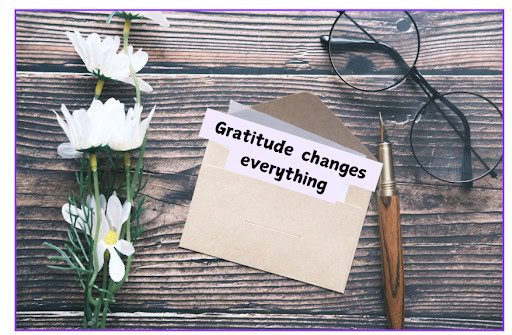
5️⃣ Practice Daily Gratitude
Why It Works:
Practicing daily gratitude rewires your brain to focus on the positive aspects of life. It shifts your attention from what’s lacking to what’s already good, cultivating an abundant and joyful mindset. Research shows that gratitude increases happiness, boosts self-esteem, and strengthens relationships.
Gratitude doesn’t need to be grand. It can be as simple as appreciating your morning coffee, a beautiful sky, or a kind smile from someone. By consistently noticing the good, you build emotional resilience and stay grounded even on tough days.
Example:
Before going to bed, take 2 minutes to write down three things you’re grateful for. Over time, this simple habit trains your brain to spot more positivity in your daily life.
6️⃣ Strengthen Connections with Others

Why It Works:
Human connection is essential for emotional health and overall well-being. Engaging in genuine conversations, spending time with loved ones, or simply being part of a community can lower stress levels, combat loneliness, and provide a sense of belonging.
Healthy social relationships are proven to boost mental clarity, reduce the risk of depression, and even strengthen your immune system. Prioritizing connection reminds you that you’re not alone and that support is available.
Example:
Call a friend, send a thoughtful message, or plan a coffee chat with someone you enjoy being around. Even short interactions can make a big difference in your mood and perspective.
7️⃣ Schedule Regular Breaks to Recharge

Why It Works:
Taking regular breaks throughout the day helps refresh your brain, prevent burnout, and increase overall productivity. When you push through without resting, your focus drops and your stress rises. Breaks allow your mind to reset and return to work with renewed energy.
Using time-blocking techniques like the Pomodoro method (25 minutes of work followed by a 5-minute break) can enhance efficiency while still giving your brain the rest it needs.
Example:
Every hour, stand up, stretch, hydrate, or step outside for a few breaths of fresh air. These micro-breaks may seem small, but they recharge your mind and body for bigger wins.
8️⃣ Create a Relaxation Ritual

Why It Works:
Having a daily relaxation ritual signals your body and mind that it’s time to unwind. It helps reduce stress, improves sleep quality, and supports emotional balance. Rituals create predictability in an otherwise chaotic world, offering a sense of comfort and calm.
A ritual doesn’t have to be elaborate. It could be reading a book before bed, doing a few minutes of gentle yoga, listening to calming music, or lighting a scented candle while you reflect on the day.
Example:
Each evening, dim the lights, play soothing sounds, and do a short breathing exercise. This ritual helps you transition from the hustle of the day into a state of peace and restfulness.
Conclusion
Stress is unavoidable, but it can be managed effectively. By integrating these simple yet powerful strategies into your daily routine, you can turn stress into a source of strength, clarity, and personal growth. Whether it’s through mindful breathing, setting healthy boundaries, or creating a focus-friendly environment, every small habit adds up to a more balanced and resilient you.
The key isn’t to eliminate stress entirely, but to build the capacity to respond with confidence, calm, and purpose. You have more control than you think—and the path to a stronger, more grounded version of yourself starts with one intentional step.
Explore these strategies and discover how small changes can make a big difference.
Ready for personalized support? Book an appointment with me and let’s walk this journey toward mental wellness—together.







0 Comments